Translate

Saturday, 6 July 2019

The Psychoanalysis of Appar - Part 2

The Rituals and Gaining Visions of the Metaphysical Eyes


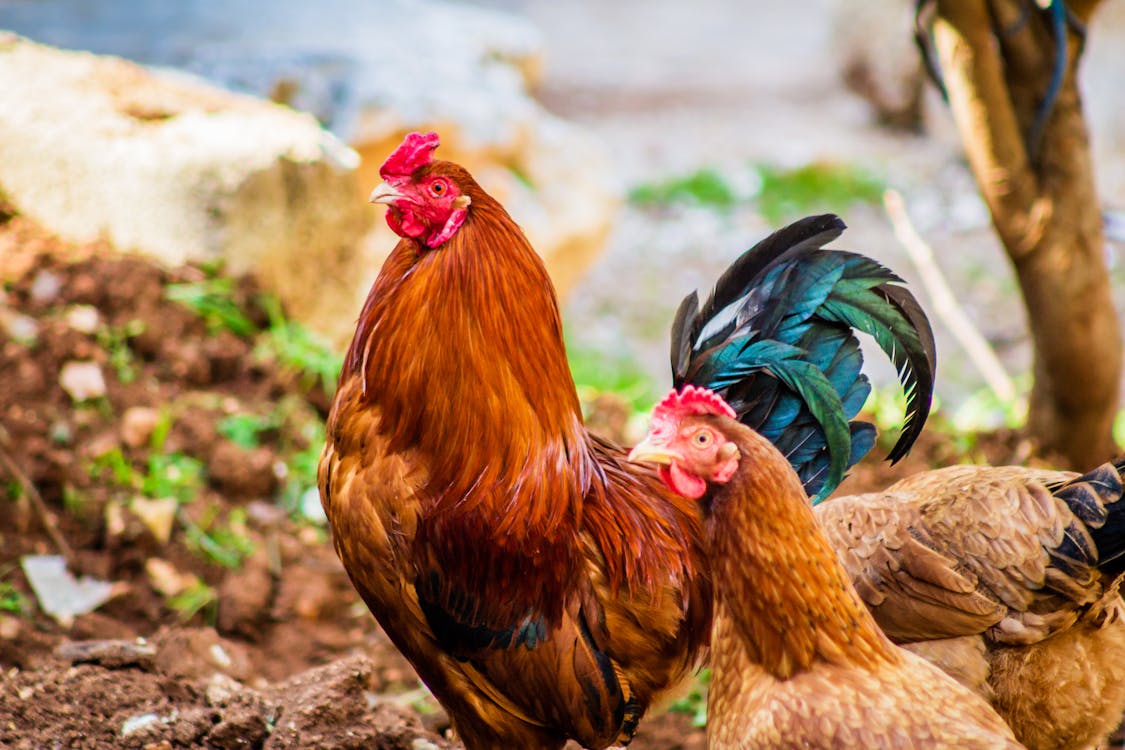
Two Brown Hen and One Red Rooster


Appar 4:3 TiruvaiyaaRu


The Tantric philosophies are not merely discursive where different points of views are endlessly debated and which in the end leads to nowhere. The Siddhas are very fond of saying “vaarttaiyaal onRumillai’ - simple verbal disputes are worthless.

We get the same message in this verse of Appar where he enjoys SEEING the depths and in that affirming the truth for himself. Philosophy in Tamil is known as Mey UNarvu, i.e. a discipline concerned with truth-experiences and to practice philosophy in this sense, one should try  to GAIN truth-experiences after truth-experiences to FREE oneself from the IGNORANCE which is already there. The IGNORANCE here is also understood as a kind Metaphysical Blindness and which means that the primary task of Philosophy is the destruction of this BLINDNESS.

It also follows that such a blindness can be destroyed only by gaining VISIONS or darsanas that violate this blindness and throws LIGHT into metaphysical realms that have remained closed for witnessing hitherto.

Appar describes some rituals that he practiced and because of which he managed to gain a viison of the Dance of Siva Sakti in the love behavior of even the domestic fowl.


2.


போழ் இளங் கண்ணியினானைப் பூந்துகிலாளோடும் பாடி
வாழியம் போற்றியென்று ஏத்தி வட்டமிட்டு ஆடா வருவேன்
ஆழி வலவன் நின்று ஏத்தும் ஐயாறு வந்தடைகின்ற போது
கோழி பெடையொடுங் கூடிக் குளிர்ந்து வருவன கண்டேன்
கண்டேன் அவர் திருப்பாதம் கண்டறியாதன கண்டேன்


உரை:


பிளந்து குறைக்கப்பட்ட பிறை மதியினை கண்ணியாக சிரசில் அணிந்த சந்திரிசேகர சிவபெருமானை, அழகிய பூந்துகில் உடுத்தி எழில் நிறைந்தவளாகத் தோன்றும் உமை அம்மையோடு இணைத்துப் பாடி,  இவ்வாறே என்றும் வாழ்க வென்றும் உமது திருவுள்ளம் போற்றி என்று ஏத்திப் பாடுவதோடு  வட்டமிட்டு ஆடியும்  செல்வேன். தனது வலது கையில் சுதர்சன் எனும்  சக்கரத்தை ஏந்தியவாறு, தனக்கு அந்த சக்கரத்தை அருள் செய்த சிவபெருமானை நின்று ஏத்தும் ஐயாறு எனும் சிவத்தலத்தை வந்து அடைகின்ற போது வழியில்,  கோழி தத்தம் பெடையொடு கூடி காமவேட்கைக் குறைந்து குளிர்ந்து வருவன கண்டேன்.அதுபொழுது ஊனக் கண்ணால் காண்டற்கு அரிதாகிய சிவபெருமான் நாதவிந்துக்களை பெண்னென ஆணென உயிரினங்கள் எழுமாறு அசைத்தாடும் ஆனந்தத் தாண்டவத்து திருப்பாதங்களை ஞானக்கண்ணிற் கண்டேன்; அதுவரையிலும் நான் கண்டறியாதிருந்த ஆழ் உண்மைகளைக் கண்டு மகிழ்ந்தேன்.

2.

pooz iLaG kaNNiyinaanaip puuntukiLoodum paadi
vaaziyam pooRriyenRu eeththi vadaamiddu aadaa varuveen
aazi valavan ninRu eettum AiyaaRu vawthakinRa pootu
koozi pedaiyoduG kuudik kuLirntu varavana kaNdeen
       kaNdeen avar titupaatam kaNdaRiyaatana kandeen


Meaning:

I was coming singing the praise of Civa who as Candrasekaran wears the divided Moon with Uma of flower-silk attire, saying long Live! Praise be to you ! and so forth and dancing away moving in circles. Theý as I neared the AiyaaRu where stands Vishnu with the Disc on His right hand and praising Siva, I saw on the way, the cockerels coming with the hen having cooled themselves in sexual union. At that point I saw with my mental eyes, the Divine Feet of Siva (where he creates the male and females of all species with agitating the Natam and Bindu). Thus I saw what are impossible to witness with the fleshy eyes alone.


Comments:

There are many repetitions here especially the crucial phrase “ kaNdeen  . . . “ But there are also differences as well. While in the first verse it was the elephants,  we have here a shift to the chicken, the domestic fowl and by which perhaps Appar is trying to show that sexuality is  universal. Here the reference to the actual coitus is quite unmistakable. The fowl have cooled themselves with sexual union and which is a quite wellknown feature of sex. In fact the word for sex in Tamil - kaamam- is derived from Sumerian ki-aga i.e. Tamil kaaGkai: heat. The surge of sexual desires creates internal heat, the Kaama Agni, the Fire of Kaama and which is also the muula-agni, the Fire in the loins. Thus it seems that the activation of sexual desires is perhaps something that happens in the depths and creatures simply respond to it.

However the preconditions that Appar mentions here are very interesting. One is that he in addition to singing hymns also dances and that too going round and round. Secondly he selectively mentions VishNu as the wearer of the Disc and who also worships Civa, who is said to have gifted the disc to Vishnu in the first place.

Is there any connection between these preconditions and his claims that he saw the normally impossible?

I see the connections as follows.

The disc of Tirumaal, is called su-darsan, that which facilitates the divine (su> ku> koo) vision (taru-san> darsan) and as such it is linked to the vision that Appar is excited about, the transductive perception that allows him to seen the Dance of Siva and Sakti in the Depths of love behavior of even the fowl. But this su-darsan is just a local manifestation of what is called by the Siddhas the Ravi-Mati, the Sun-Moon complex and which is the transmutation of Pure Energy, the Sakti by Natam and Bindu. Thus the Sudarsan is the vision provider but as Natam-Bindu complex something that can be enjoyed only in the Suzi Munai Nadi, that stream of energy where both Natam and Bindu are co-present.

And it is here that we see the link between the Sudarsan and dancing away going round and round. This conditioning of the bodily movement arrests the mind from worldly preoccupations and draws it into the Suzi Munai Nadi, the seeing not through the Ida Kalai and Pingkalai, the visions of the fleshy eyes and which disclose only the physical. The soul moving with its darsanas conditioned by Suzi Munai enjoys transductive perceptions and in which the METAPHYSICAL become available for seeing.


ULLAGANAR


( editing and re-paragraphing by his student )


Sunday, 30 June 2019

The Psychoanalysis of Appar - Part 1

The Psychoanalysis of Appar-1


Related image


Appar 4:3 TiruvaiyaaRu


1.


மாதர்ப் பிறைக் கண்ணியானை மலையான் மகளொடும் பாடிப்
போதொடு நீர் சுமந்தேத்திப் புகுவார் அவர்பின் புகுவேன்
யாதுஞ் சுவடு படாமல் ஐயாறு அடைகின்ற போது
காதன் மடப்பிடியோடுங் களிறு வருவன கண்டேன்
கண்டேன் அவர் திருப்பாதங் கண்டறியாதன கண்டேன்.


உரை:

அழகிய இளம்பிறையை தலைமாலையாக அணிந்து சந்திரசேகரனாக தன்னை வெளிபடுத்தி அருளும் சிவபெருமான் அவனது இடப்பாதியாக இருக்கும் மலையமான் மகளாகிய பார்வதியோடு இணந்திருப்பதை ஞானக் கண்ணில் கண்டு பாடியவாறு , அர்ச்சனைக்கு வேண்டியது பூக்களும் சுத்த நீராகிய தீர்த்தமுமே என்று கொண்டு அவற்றை சுமந்தவாறு செல்லும் நல்ல அடியார் கூட்டத்தையேப் பின்தொடர்ந்து அவர்கட்கு பின்னேயே செல்வேன். இப்படி அடியார்களுள் ஒருவனாக, அகம்பாவத்து எவ்வித சேட்டையுமின்றி, நான் இருக்கின்றேன் எனக் காட்டும் சுவடுகள் யாதும் விடாது ஐயாறு எனும் சிவத்தலத்தை அடைகின்ற போது வழியில் ஓர் இளம் பெண்யானைமேல் காதல் கொண்டதாய் ஓர் களிறு வருவதைக் கண்டேன். அதுபொழுது ஊனக் கண்ணால் காண்டற்கு அரிதாகிய சிவபெருமான் நாதவிந்துக்களை பெண்னென ஆணென உயிரினங்கள் எழுமாறு அசைத்தாடும் ஆனந்தத் தாண்டவத்து திருப்பாதங்களை ஞானக்கண்ணிற் கண்டேன்; அதுவரையிலும் நான் கண்டறியாதிருந்த ஆழ் உணமைகளைக் கண்டு மகிழ்ந்தேன்.


1.

maatarp piRaik kaNniyaanai malaiyamaan makaLodum paadip
pootodu nii cumanteetti pukuvaar avarpin pukuveen
yaatunj cuvadu padaamal aiyaaRu adaikinra pootu
kaatan amdappidiyooduG kaLiRu varvana kaNdeen
lkaNdeen avar tiuppaataG kandariyaatana kaNdeen

Meaning:

BEING as Candrasekaran wearing the beautiful Crescent Moon as a head ornament stays with Parvati, the daughter of the King of Himalayas. Holding this in my mental vision and singing of them eloquently, I follow behind the adiyars who carry only fresh blossoms and pure water for worship and enter the temple. As I move along with them inconspicuously and near the Temple in AiyaaRu, I noticed on the way a male elephant coming with a young female elephant and in love with it.  At that point I saw with my mental eyes, the Divine Feet of Siva (where he creates the males and females of all species with agitating the Natam and Bindu). Thus I saw what are impossible to witness with the fleshy eyes alone.


Comments:

Appar obviously draws attention in this verse that a natural phenomenon such as the male and female elephants being in love with each other and enjoying sexual bliss can be SEEN differently. For those who posses the capacity to penetrate the surface features and gain a vision of the DEPTHS, the love and sexual union of the animals (and human beings) disclose the Dance of Bliss of Siva who by manipulating the Siva Tatvas Natam and Bindu (the Yin and Yang of Taoism) creates the male and female of all species in such a way that they are drawn to each other with the intention for enjoying the bliss of sexual union. The eyes of the ordinary people who have only the fleshy eyes that show only the PHYSICAL and without even a hint of the Third Eye that discloses the metaphysical depths, can only see that as an instance of carnal sexuality but not the Dance of BEING at the depths and where as Siva and Sakti, there is also sexual union.


At every expression of love and at every act of sexual union there is the union of Siva and Sakti at the deepest level and for those who manage such a vision of ordinary sexual unions of the creatures they become SACRED,  and ICON that help  witnessing of Siva and Sakti in sexual union of a kind.


This vision comes as a new disclosure to Appar and for which he is so immensely grateful.


But there are many preconditions for gaining such a vision and appreciate the aesthetics behind it all, a natural marvel that in fact it is. These preconditions are:


One must understand the Icon of BEING as the wearer of the Crescent Moon, that which can become the amutu, ambrosia of good mental and physical health and hence longevity. The Woman becomes here the Parvati, the Lady of Earth but located at the peak and hence someone not that easily approachable. Parvati here is the same as the Sumerian ( and Toda) Nin Hur-Sag, the Lady of the Peak. She is also the ManonmaNi of the Ajna Cakra who descends at lower Cakras as the various Female Powers, KalaivaaNi, Laksmi etc.


Thus one must gain a vision of BEING as such and SING about it so that the aesthetics, the MUSIC of it all is kept alive.


Now having gained it and to sustain it in the vision,  one must worship,  not with animal sacrifices and so forth but only fresh blossoms and pure waters. One must kill and expel the animistic thinking that shows ties with the flesh in order to sustain the vision of Siva--Parvati in love embrace.


Now another attendant feature is that one must have conquered the EGO, the tendency to push oneself to the front and establish various kinds of signposts of one’s presence. One must follow the crowd of Adiyars inconspicuous and hence totally humble. As long as the Ego is present, there will be metaphysical BLINDNESS and because of which the vision of the depths will not be available.


Now what is wrong with Western Psychoanalytic account of such events?


Against what is implied by Appar in this verse, it would follow that such Western scholars lack the EYES to see the Divine Sexual Embrace of Siva and Sakti at the depths of all natural events where we have a male and female coming together to enjoy sexual bliss. The SACRED in every act of sexual union is beyond the reach of such scholars and because of which they become something revolting, carnal and promiscuous. The fault is NOT in such events and their depiction in temple iconography and so forth but rather in the BLINDNESS of such scholars who cannot see the DIVINE presence in such events.


ULLAGANAR

( editing and re-paragraphing by his student )

The Psychoanalysis of Appar - Introduction

The Psychoanalysis of Appar


The study of this remarkable Patikam of Appar (4: 25) that deals with the sexual act is prompted by the recent controversy about the application Freudian psychoanalytic interpretations of Ganesha, which has served to offend the feelings of Hindus. It is NOT sufficient say that the analytical psychology of Freud, Jung and so forth is inadequate to understand how the Hindus view sexuality. We have to also articulate how the shapers of Hindu thoughts, in particular the Tamils have actually viewed the matter and how it differs from that of Freud, Jung and so forth.

The Tevaram and Divviya Prabantam, the Divine Tamil is full of metaphysical insights all of which have not been brought out by scholars. Most of the Indologists  focus too much on Sanskrit, almost to the total negligence of Divine Tamil containing within it metaphysical insights perhaps unique to Tamil divine literature.

This has a commentary by Tiru Muttu. C. Manikka Mutaliyar (published by Tarumai Ateenam, 1957) that while I take into account but venture to give my own both in English and Tamil. My intention is to bring out the psychoanalysis buried in these verses.


ULLAGANAR